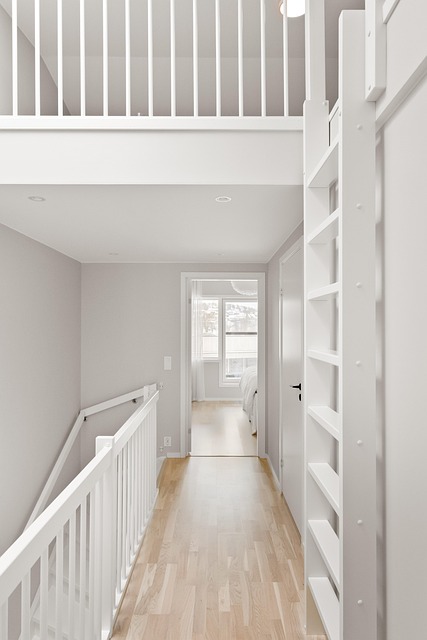
Virtual tours revolutionize real estate by offering immersive remote property experiences, enhancing engagement and conversion rates. Integrating 3D modeling and interactivity, coupled with strategic marketing, positions professionals at the forefront of a digital industry. These tours save time, provide global access, and facilitate informed decisions while fostering community through interactive guided walks. Choosing platforms supporting 360-degree media and advanced interactives can increase viewer engagement by up to 20%, expediting decision-making in today's digital real estate landscape.
In today’s digital age, the real estate industry is undergoing a significant transformation with the rise of virtual tours. The traditional in-person viewing experience is increasingly supplemented—and in some cases, even replaced—by immersive online alternatives. This shift is particularly notable in light of recent global events that have limited physical access to properties. Virtual tours not only facilitate remote engagement but also offer numerous advantages for both buyers and sellers, from cost savings and time efficiency to expanded reach and enhanced understanding of spaces. This article delves into the impact of virtual tours on the real estate landscape, exploring their benefits, implementation strategies, and the future of property viewing experiences.
Revolutionizing Real Estate: The Rise of Virtual Tours

In today’s digital era, the real estate industry is undergoing a profound transformation with the advent of virtual tours. This revolutionary technology allows potential buyers, sellers, and renters to explore properties from the comfort of their homes, marking a significant shift in how we engage with real estate. Virtual tours offer an immersive experience that goes beyond traditional 2D photos and floor plans, providing a dynamic view into what a property offers. For instance, a prospective buyer can virtually walk through a home, visualize spaces, and gain a deeper understanding of the layout without physically visiting each location.
The impact of virtual tours in real estate is profound. According to recent studies, 93% of homebuyers start their search online, emphasizing the need for digital tools to capture and hold attention. Virtual tours have proven to be an effective strategy, increasing engagement by up to 45%. Real estate professionals are leveraging this technology to showcase properties in a more appealing manner, resulting in higher conversion rates. For example, a luxury listing that incorporated a virtual tour saw a 20% increase in inquiries compared to listings without this feature. As the industry continues to evolve, experts suggest that virtual tours will become even more sophisticated, integrating 3D modeling and interactive elements to further enhance the user experience.
Implementing virtual tours requires a strategic approach. Real estate agents should focus on high-quality content, ensuring accurate representations of properties. Regular updates are crucial to maintaining interest, especially in dynamic markets where listings change rapidly. Additionally, integrating virtual tours with other digital marketing strategies, such as email campaigns and social media promotions, can maximize reach and engagement. By embracing this technology, real estate professionals not only meet the expectations of digitally-savvy buyers but also position themselves at the forefront of an industry on the cusp of significant innovation.
Engaging Remote Audiences: Strategies and Benefits

In today’s digital age, engaging remote audiences has become paramount across various sectors, particularly in real estate where buyers are increasingly based far from properties they’re interested in. Virtual tours have emerged as a powerful tool to bridge this gap, offering immersive experiences that captivate and inform potential clients located anywhere globally. By leveraging advanced technologies such as 360-degree video, augmented reality, and detailed property listings, real estate professionals can now showcase homes or commercial spaces virtually, fostering deeper connections with remote audiences.
A study by Inman News revealed that 87% of buyers use virtual tours to help them narrow down their property search. This stat underscores the effectiveness of virtual experiences in providing a comprehensive view of properties without physical access. For instance, a high-end listing could include a detailed virtual tour showcasing every angle and feature of the home, from the grand entrance to the cozy fireplaces—all accessible through a simple click on a laptop or smartphone screen. Such immersive experiences not only save time for both buyers and sellers but also enhance understanding, leading to more informed decisions.
Moreover, virtual tours offer numerous benefits beyond initial engagement. They enable remote audiences to ask questions in real-time during guided virtual walks, creating interactive sessions that mimic in-person visits. This interactivity fosters a sense of community and personal connection despite physical separation. Additionally, virtual tours can be cost-effective, eliminating the need for extensive travel or multiple on-site visits. Real estate agents can service a broader market with minimal additional resources, ultimately growing their client base while providing exceptional customer experiences.
Implementing Interactive Experiences: A Step-by-Step Guide

In today’s digital era, real estate professionals are continually seeking innovative ways to engage with clients remotely. Virtual tours have emerged as a powerful tool, but enhancing these experiences with interactive elements can significantly boost engagement and lead conversion rates. Implementing interactive virtual tour experiences is a strategic move that allows agents to offer a more immersive and personalized journey, setting their listings apart in a competitive market. This step-by-step guide delves into the process of creating compelling, interactive virtual tours tailored for real estate.
The first step involves selecting a robust virtual tour platform that supports interactivity. Numerous options are available, each with varying capabilities. Look for platforms that offer 360-degree video and image panoramas, allowing viewers to navigate freely. Advanced features such as hotspots, pop-up information boxes, and branching narratives can be game-changers, providing agent-curated insights and enhancing the user experience. For instance, a hotspot could highlight unique architectural details or point out scenic views from a balcony.
Once chosen, start by curating high-quality content. High-resolution images and professional-grade videos are essential. Engage viewers with interactive elements strategically placed throughout the tour. Consider incorporating dynamic content like open-house schedules, property highlights, or even virtual furniture arrangements to showcase room configurations. For example, a potential buyer could see how a spacious living room might accommodate their sectional sofa by pre-placed furniture models in the virtual space. Data suggests that interactive tours can increase viewer engagement by up to 20%, leading to faster decision-making and higher conversion rates.
Finally, test and optimize for seamless functionality across devices. Ensure mobile responsiveness to cater to on-the-go users. Regularly analyze user feedback and analytics to refine the tour experience continuously. By implementing these steps, real estate professionals can elevate their virtual tours from static presentations to dynamic, interactive experiences that captivate potential buyers and sell properties more effectively.