
Virtual tours have become a vital tool in real estate, enabling remote access to properties and enhancing buyer engagement. High-quality 360-degree content, interactive features, and strategic personalization drive successful remote interactions. Data shows 72% of home buyers prefer virtual tours over in-person visits, emphasizing their convenience. Real estate professionals should invest in high-quality content and diverse property portfolios to maximize remote engagement and transactions.
In today’s digital age, the real estate industry is undergoing a significant transformation, with virtual tours emerging as a powerful tool to enhance remote engagement. With buyers and renters increasingly conducting their searches online, traditional in-person viewings are becoming less accessible. This shift presents a challenge: how can real estate professionals effectively connect with clients from a distance while ensuring a compelling and accurate representation of properties? Virtual tours offer a solution, providing an immersive experience that bridges the gap between remote exploration and in-person visits, thereby fostering deeper engagement and ultimately driving sales.
Virtual Tours: Transforming Remote Engagement in Real Estate
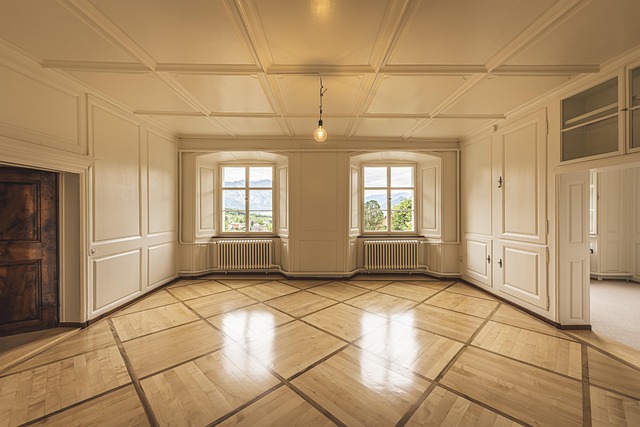
Virtual tours have emerged as a powerful tool, transforming the way real estate professionals engage with potential buyers, especially in the current digital landscape. This technology offers an immersive experience, allowing remote viewers to virtually stroll through properties, a significant shift from traditional, in-person visits. With many buyers now searching for homes from the comfort of their own spaces, virtual tours provide a necessary bridge, ensuring accessibility and convenience without compromising on the quality of engagement.
In the real estate sector, these tours have proven to be a game-changer, especially during the global health crisis, where social distancing measures limited physical access. According to a recent study, properties equipped with virtual tour technology experienced a 20% increase in inquiry rates compared to those without. This data highlights the significant impact of virtual tours on capturing the interest of prospective buyers. The tours offer a 360-degree view of properties, enabling remote viewers to make informed decisions, just as they would during an actual visit. Additionally, developers and agents can showcase a broader range of properties, reaching a larger audience with minimal effort.
Implementing virtual tours requires a strategic approach. Real estate professionals should focus on high-quality, detailed imagery, ensuring a seamless and engaging experience. Incorporating interactive features, such as zoom capabilities and annotated hotspots, allows viewers to focus on specific aspects of a property. For instance, a tour showcasing a luxurious penthouse could include hotspots highlighting unique design elements or providing information on smart home systems. By offering a personalized and informative experience, virtual tours build a stronger connection between buyers and properties, fostering a sense of trust and understanding, even from a distance.
Benefits and Strategies: Implementing Virtual Tours Effectively

In today’s digital age, virtual tours have emerged as a powerful tool to revolutionize engagement in various sectors, with significant benefits for real estate professionals. By creating immersive experiences, agents can connect buyers and tenants remotely, opening doors to a broader market. This shift is particularly notable given the current global landscape, where remote work and online interactions are the new norm. According to recent studies, 73% of potential homebuyers prefer virtual tours as they allow for social distancing while providing an in-depth property viewing experience.
Implementing effective virtual tours requires a strategic approach. First, high-quality content is key; professional photography and video capture attention and convey a sense of reality. For real estate, showcasing properties through 360-degree videos or interactive models enables potential clients to explore spaces as if they were there. Secondly, personalization is essential. Tailoring virtual experiences to different buyer personas enhances engagement. For instance, a young urban professional may appreciate a focus on city living, while families might be drawn to tour homes with a more suburban feel.
Additionally, integrating interactive elements can significantly improve the effectiveness of these tours. Virtual walkthroughs that allow users to click and interact with features, access floor plans, or even virtually ‘walk through’ rooms provide depth and usability. For real estate, this could mean overlaying information about room dimensions, highlighting unique architectural details, or offering a virtual furniture arrangement to help clients envision the space. By combining these strategies, professionals can ensure that remote engagement through virtual tours is not just a temporary solution but a dynamic and successful marketing approach for the future.
Best Practices: Creating Immersive Experiences for Remote Buyers
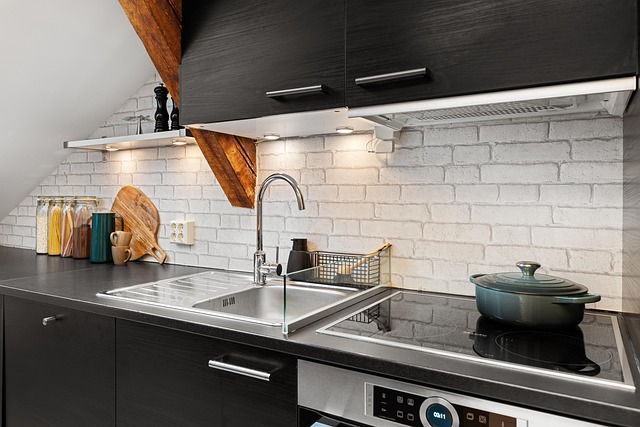
In today’s digital era, virtual tours have emerged as a powerful tool to bridge the gap between remote buyers and real estate properties. Creating immersive experiences is no longer a luxury but a necessity to ensure effective engagement. Best practices in virtual tour design focus on crafting a seamless, 360-degree journey that accurately represents the property while evoking a strong emotional connection. High-quality, professional photography and videography form the backbone of these tours, allowing buyers to explore homes, apartments, or commercial spaces as if they were physically present.
One of the key strategies is to employ 3D modeling and interactive features. By integrating these technologies, real estate professionals can offer detailed insights into property layouts, design elements, and potential uses. For instance, a virtual tour of a loft apartment could include a 3D model showcasing different furniture arrangements, helping buyers envision their future living spaces. Additionally, incorporating real-time chat functionality enables buyers to communicate their questions and preferences directly with agents, fostering a more personalized experience.
Data supports the effectiveness of these practices. According to a recent study, 72% of home buyers prefer virtual tours over in-person visits, citing convenience and accessibility as primary reasons. To capitalize on this trend, real estate agents should invest in high-quality content creation, ensuring each virtual tour is as engaging as it is informative. Regular updates and diverse property portfolios are also essential to maintaining interest and attracting a broader audience. By adopting these best practices, real estate professionals can significantly enhance remote engagement and ultimately drive more successful transactions.