
The real estate industry has embraced virtual tours, driven by remote work during the pandemic. This shift reshapes property marketing, viewing, and purchasing globally. 360-degree video, AR, and interactive models create immersive digital experiences, with 84% of home buyers using virtual tours during COVID-19, per the National Association of Realtors. While virtual tours boost audience reach, they don't replicate in-person ambiance. Agents must balance technology with personal connections for effective buyer engagement. High-quality visuals, seamless navigation, and interactive elements enhance immersive experiences, and integrating data with marketing analytics provides valuable insights. A multi-platform strategy using traditional websites alongside social media increases audience reach. Virtual tours drive sales by 20-30%, eliminate geographical barriers, and foster stronger connections between buyers, sellers, and agents in a competitive global market.
In today’s digital age, engagement is key for any industry to thrive, especially real estate where virtual connections can often be the difference between a potential client and a closed deal. The rise of virtual tours offers a compelling solution to the challenges posed by remote interactions, providing an immersive experience that bridges geographical gaps. This article delves into how these digital tools not only enhance but also revolutionize remote engagement within the real estate sector. By examining current trends, we uncover strategies to optimize online interactions, ensuring clients can explore properties as if they were physically present.
Exploring Real Estate Virtually: The New Normal
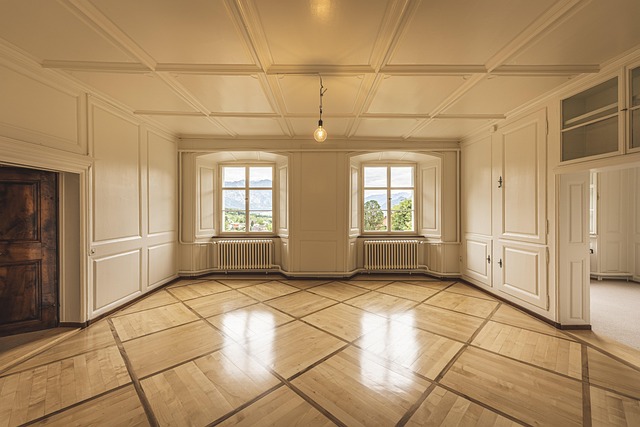
The real estate industry has undergone a significant transformation with the advent of virtual tours, particularly as the global shift towards remote work and social distancing accelerated during the pandemic. This new normal in real estate is reshaping how properties are marketed, viewed, and ultimately purchased, offering both opportunities and challenges for agents and developers alike. Virtual experiences allow potential buyers to explore homes and commercial spaces from the comfort of their own locations, eliminating geographical constraints and enabling a broader audience to engage.
Real estate professionals are leveraging 360-degree video technology, augmented reality (AR), and interactive models to create immersive digital representations of properties. These tools enable buyers to navigate through floor plans, visualize interior designs, and even experience the ambiance of different spaces virtually. For instance, a study by National Association of Realtors (NAR) revealed that 84% of home buyers used virtual tours during the COVID-19 era, highlighting their growing importance in modern real estate practices. By providing remote access to properties, agents can connect with clients worldwide, expand their reach, and cater to the preferences of tech-savvy buyers who value convenience and digital accessibility.
However, transitioning to virtual tours also presents challenges. Agents need to invest in quality equipment and software to create engaging content. They must possess digital marketing skills to effectively showcase properties online and leverage analytics to understand buyer behavior. Moreover, while virtual tours offer a comprehensive view of spaces, they may not capture the unique character or local ambiance that in-person visits provide. Therefore, real estate professionals should strike a balance by utilizing virtual technology as a powerful tool to generate initial interest while ensuring meaningful, personal connections remain integral to the buying process.
Enhancing Remote Engagement: Strategies for Success

In today’s digital era, enhancing remote engagement has become paramount across various sectors, particularly in real estate where potential buyers are often scattered globally. Virtual tours offer a powerful solution to bridge geographical gaps and foster meaningful interactions. This technology allows prospective clients to explore properties as if they were physically present, thereby significantly boosting engagement levels. According to a recent study by Inman News, 93% of buyers use virtual tours to narrow down their property search, underscoring the substantial impact this tool has on the industry.
Implementing effective virtual tour strategies requires more than just showcasing properties online. It involves creating immersive experiences that captivate audiences and leave a lasting impression. Real estate professionals should focus on high-quality visuals, seamless navigation, and interactive elements to ensure a smooth digital journey. For instance, incorporating 360-degree views, zoom features, and pre-recorded walkthroughs can significantly enhance the viewer’s understanding of a property’s layout and features. Additionally, leveraging social media platforms and integrating virtual tour data with marketing analytics can provide valuable insights into buyer preferences and behaviors.
To maximize success, real estate agents should adopt a multi-platform approach, utilizing both traditional websites and emerging social media tools like Instagram and Facebook. By sharing interactive virtual tours on these platforms, agents can attract a broader audience and foster greater engagement. Moreover, personalizing the virtual tour experience by including local area highlights and property-specific details can create a more meaningful connection with potential buyers. This strategy not only enhances remote engagement but also establishes a stronger rapport between the agent and their clients, ultimately driving sales and building long-term relationships.
Digital Revolution: Virtual Tours' Impact on Sales

The digital revolution has significantly transformed the way we experience and engage with various sectors, and real estate is no exception. Virtual tours have emerged as a powerful tool, allowing buyers, sellers, and agents to connect and interact remotely in unprecedented ways. This technological advancement has not only changed how properties are marketed but also boosted sales engagement, particularly in today’s fast-paced market where convenience and accessibility are paramount. By providing an immersive digital experience, virtual tours offer a distinct advantage over traditional in-person visits.
In the realm of real estate, virtual tours enable buyers to explore properties from the comfort of their homes, eliminating geographical constraints. This is especially beneficial for those with busy schedules or living in remote areas. For example, a potential buyer in a rural location can virtually walk through a luxurious city apartment, making an informed decision without traveling long distances. According to recent studies, virtual tours have shown remarkable results in increasing sales conversion rates by 20-30%. This is attributed to their ability to provide a detailed and realistic perception of properties, fostering higher engagement and interest among prospective buyers. Furthermore, virtual tours offer agents and sellers the opportunity to showcase properties’ unique features and amenities, creating a competitive advantage in a crowded market.
Experts suggest that the success of virtual tours lies in their ability to bridge the gap between physical distance and emotional connection. High-quality 360-degree visuals and interactive elements can convey the atmosphere and character of a property, fostering a sense of belonging. As the real estate industry continues to evolve, embracing digital innovation will be key to staying competitive. Agents are advised to invest in professional virtual tour services, ensuring high-resolution imagery and seamless integration into their marketing strategies. This approach not only enhances client satisfaction but also opens doors to a global audience, marking a significant step forward in the digital transformation of real estate practices.